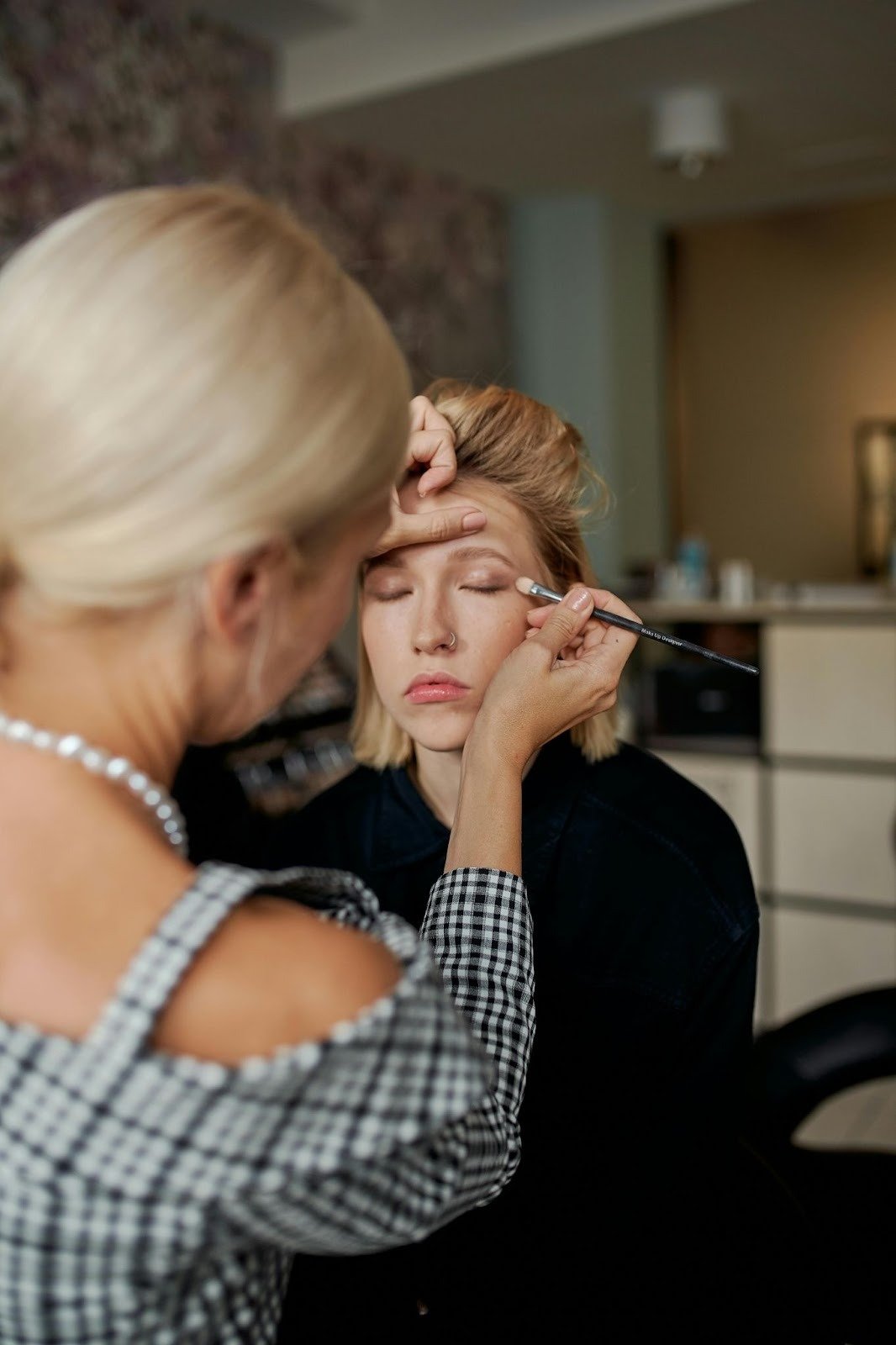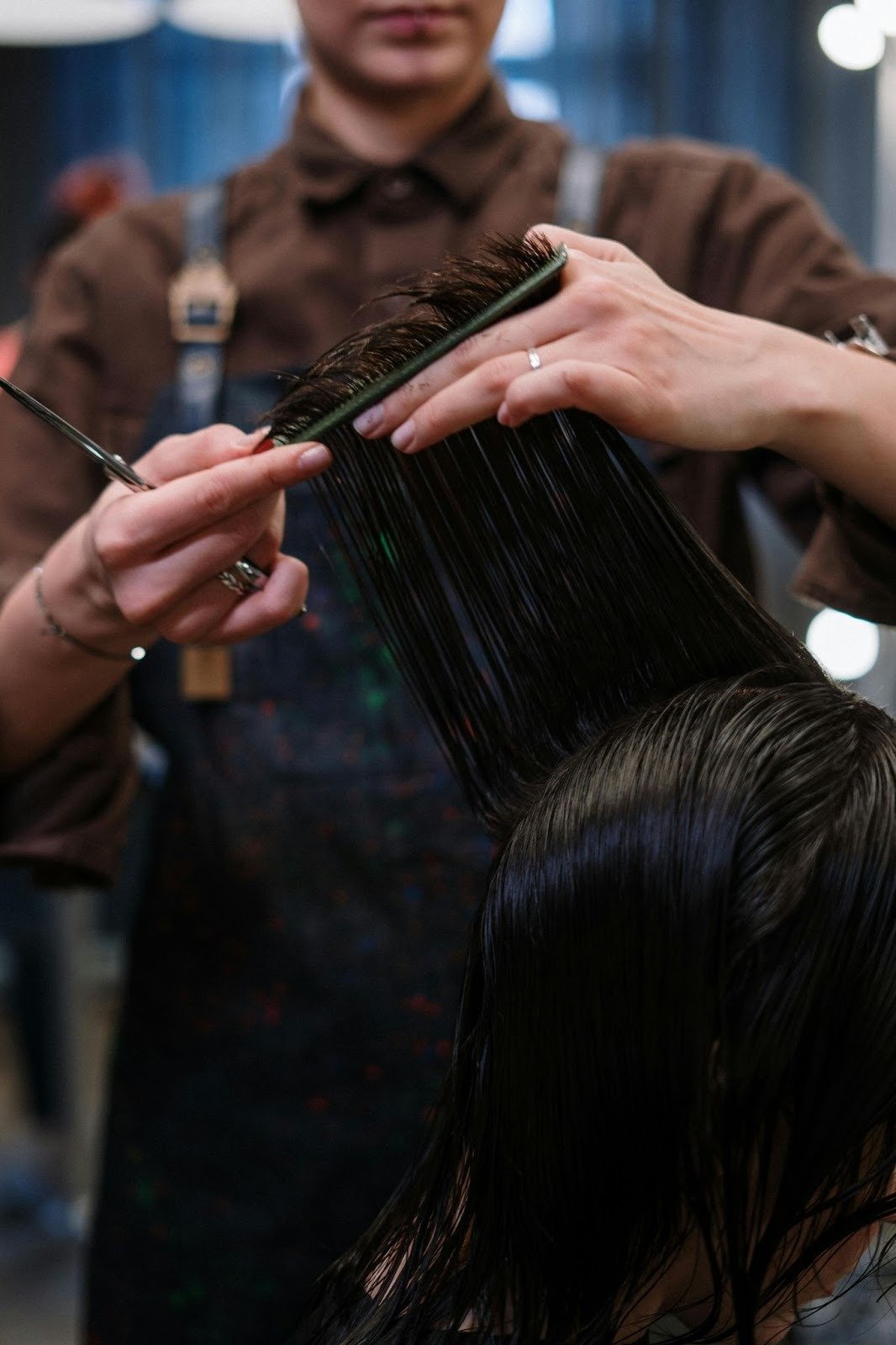
Choosing between esthetics and cosmetology can make you feel overwhelmed. Because it is not just about picking a course—it is about choosing who you want to become in the beauty industry.
And when you are exploring options like the Rosel School of Cosmetology, the pressure to get it right becomes even more real.
Now let’s move into the first set of comparisons that future students should explore before making a confident choice.
Programs & Curriculum—What to Compare
When students compare beauty schools, they often skim programs the way they skim product descriptions—too quickly.
But if you want clarity between esthetics and cosmetology, you need to look deeper into the structure, depth, and outcomes of each.
At Rosel School of Cosmetology, we always encourage students to start their decision-making with the curriculum, because that is where the real differences and the real opportunities live.
Below are the most important elements students should evaluate:
- Understand What Each Program Actually Teaches
Don’t choose based on assumptions; choose based on the skillset you will graduate with.
At Rosel School of Cosmetology, we offer four state-approved programs:
- Cosmetology (1500 hours): Full spectrum training: hair cutting, coloring, chemical treatments, makeup, facials, nail care, and sanitation.
- Esthetics (750 hours): Highly specialized training in advanced skincare techniques, including exfoliation, extractions, chemical treatments, and modern tools like laser principles and dermaplaning guidelines.
- Nail Technology (350 hours): Precision manicuring, pedicuring, nail design, safety, and sanitation.
- Instructor Program (1000 hours): For future educators who want to train the next generation of beauty professionals.
The U.S. Bureau of Labor Statistics projects 7 percent job growth for skin care specialists from 2024 to 2034, faster than average for all occupations.
Moreover, cosmetology careers also show strong demand, with over 80,000 job openings projected annually in the coming decade. (Source: U.S. Bureau of Labor Statistics)
- Compare Hands-On Opportunities vs. Theory-Heavy Learning
A curriculum should feel practical, not abstract. The best cosmetology schools design their coursework so that 70–80 percent of learning is hands-on, supervised by instructors with commendable experience in this field.
- At Rosel School of Cosmetology you won’t just learn the techniques—you will practice them on real clients from Chicago’s diverse community, covering all hairstyles, all skin types, and all beauty needs.
- Check Whether the School Prepares You for State Licensing
In Illinois, cosmetology licensing requires 1500 hours, and esthetics requires 750 hours.
So, the best institutions like us do not provide licenses directly; they prepare students to pass the State Cosmetology License Exam by giving them structured training and a diploma that qualifies them to sit for the exam.
- Look for Additional Supports Beyond the Curriculum
The right school gives more than a course; it gives a foundation for a career.
At Rosel School of Cosmetology:
- Our graduation rate is over 95 percent, higher than many well-known competitors.
- Our job placement assistance connects students with reputable Chicago-based salons.
- Small class sizes help students feel seen, supported, and mentored.
- Business skills training (Prosper U Program) helps students build confidence in client communication and salon operations.
- Evaluate the Chicago Factor
Because we are located in Niles—just minutes from Chicago—students experience real urban beauty trends, diverse client expectations, and wide-ranging opportunities for practice. This exposure matters more than many students realize.
Now let’s step into the next section, where we address specific student questions that typically help you shape your career roadmap.
Here Learning Turns Into Real Confidence—and Real Careers
What sets a beauty school apart is not just its curriculum but the lived experiences of students who walk through the doors every day.
When people compare esthetics and cosmetology, they want to know one thing: Will this actually prepare me for a real career?
At Rosel School of Cosmetology, our answer is always grounded in outcomes, not promises. Our Chicago-area students invest their time, trust, and ambition—and we match that with structure, accountability, mentorship, and opportunities that build real transformation.
Below are the elements that shape the Rosel student experience:
- A Learning Environment Built for Real Progress
- Small class sizes ensure every student gets individual guidance, especially help when choosing between esthetics and cosmetology.
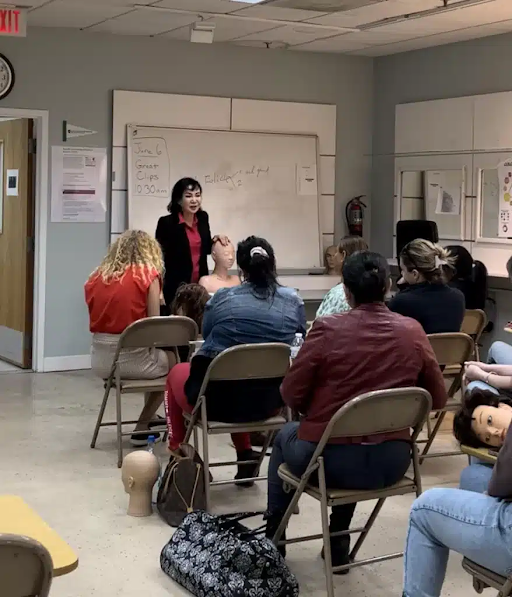
- Instructors with 30+ years of experience provide daily hands-on coaching and not occasional feedback.
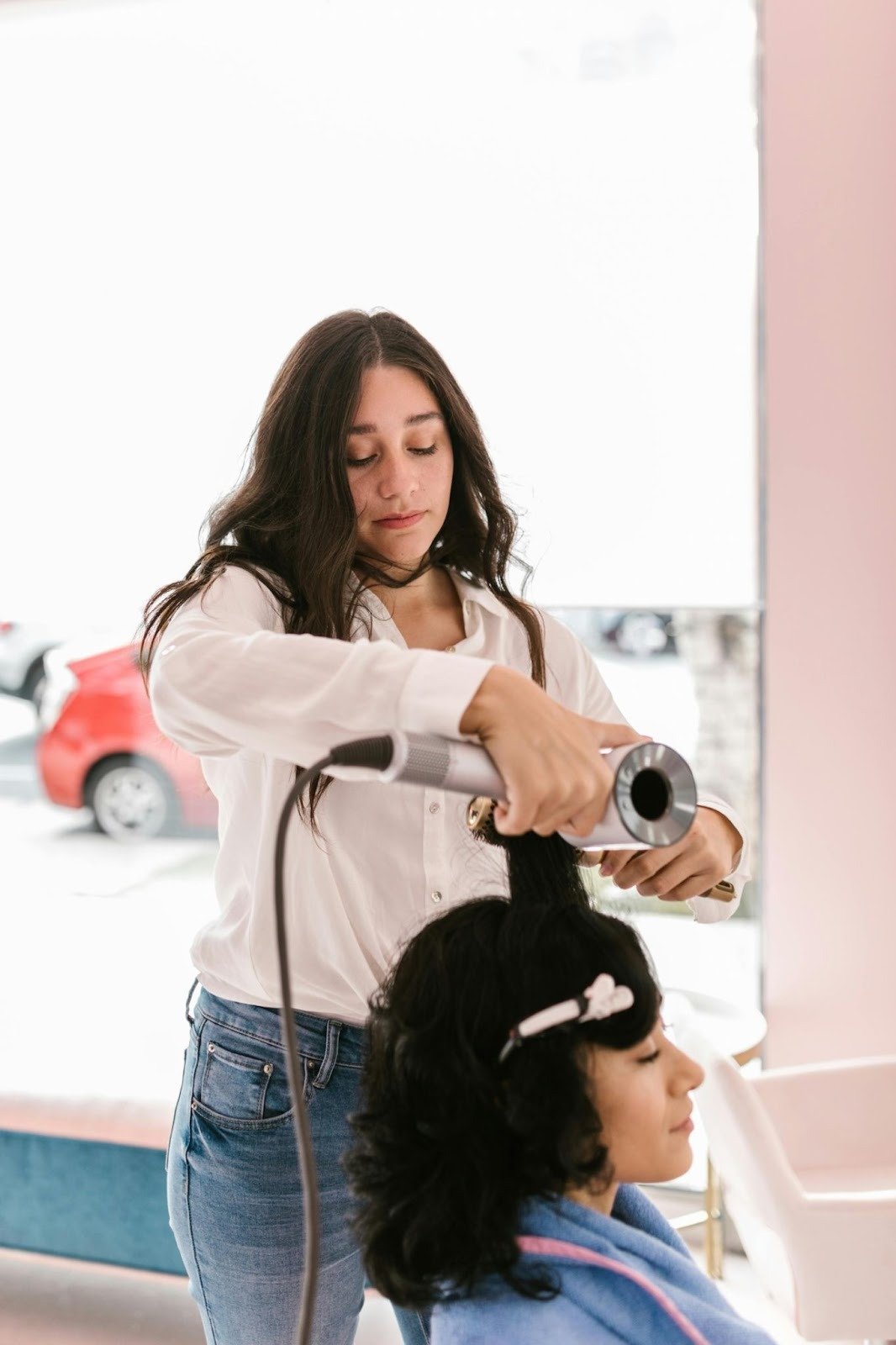
- We teach techniques for all hair textures, skin types, and beauty needs that reflect Chicago’s diversity.
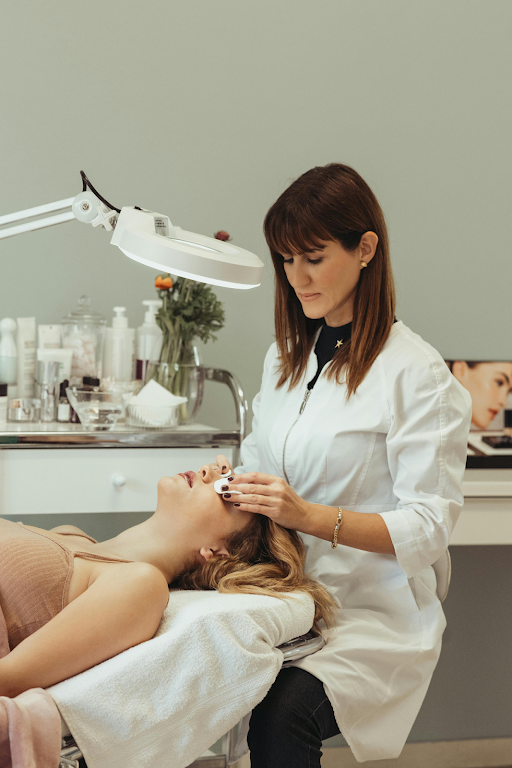
- Students in our esthetics program train in advanced skin care: exfoliation, lasering principles, machine-based facials, dermaplaning guidelines, and more.
- A Completion Rate That Speaks Louder Than Advertising
Our graduation rate is over 95 percent, higher than several major competitors. This illustrates the difference consistency and mentorship can make.
- Training That Translates Directly into Employability
- Our students graduate with a diploma that qualifies them for the Illinois state license exam. We do not issue licenses directly but do prepare them thoroughly.
- Our Chicago-focused job placement assistant connects learners with the real opportunities, i.e., from urban salons to boutique spas.
- Business training through our Prosper U program ensures that students can build clientele, manage bookings, and grow income from day one.
- Why Students Say Rosel “Feels Like the Right Place”
- We believe in a culture that is supportive, friendly, diverse, and deeply student-centered.
- We offer flexible schedules for those balancing work, caregiving, or other commitments.
- Financial aid through FAFSA makes these programs accessible for you.
- And whether you choose esthetics or cosmetology, we help you understand why your decision should match who you want to become.
Quick Answers to Questions Every Student Asks
FAQ 1. Which Program Is Better for Long-Term Career Growth: Esthetics or Cosmetology?
Answer: Esthetics and cosmetology both offer strong opportunities. Cosmetology provides broader skills, while esthetics offers focused specialization in skin care, which is rapidly growing. It depends on your passion and not on trends alone.
FAQ 2. Does Rosel School of Cosmetology Help with Job Placement?
Answer: Yes. We actively support students with Chicago-area job connections, resume guidance, and industry referrals.
FAQ 3. Will I Learn Advanced Techniques in the Esthetics Program?
Answer: Absolutely. Our esthetics students are trained in the latest skincare practices, including exfoliation, machine facials, product chemistry, and laser principles.
FAQ 4. Can I Work While Studying?
Answer: Yes. We offer flexible scheduling with part-time and full-time options, allowing students to structure their learning around their lives.
FAQ 5. What Happens After Graduation?
Answer: Graduates receive a diploma and guidance to prepare for the Illinois State license exam. We support them through exam readiness and early career steps.
Now let’s move forward and explore how to make the final decision with clarity and confidence as you compare your long-term goals with what each path truly has to offer.
Your Beauty Career Starts Here: Let’s Take the Next Step Together
At Rosel School of Cosmetology, we are committed to helping you step confidently into the world of esthetics and cosmetology with the right training. real support, and a welcoming Chicago-based community. If you are ready to explore a future in beauty, this is the moment to take action.
Start your journey today! Apply to Rosel School of Cosmetology or schedule a campus tour to see how esthetics and cosmetology training can shape your future.