Cosmetology or esthetician school: which one is made for you? It’s an age-old question. The answer depends on several important factors.
As per reports, “The U.S. beauty and personal care market is expected to generate US$108.19 billion in revenue in 2026,” making this a lucrative career option for many.
If you are passionate about beauty but unsure whether hair, makeup, or skincare careers suit you best, this guide will help you understand the differences and make a confident career decision.
What is the Difference Between Cosmetology and Esthetics?
While cosmetology and esthetics have clear differences, their services may occasionally overlap.
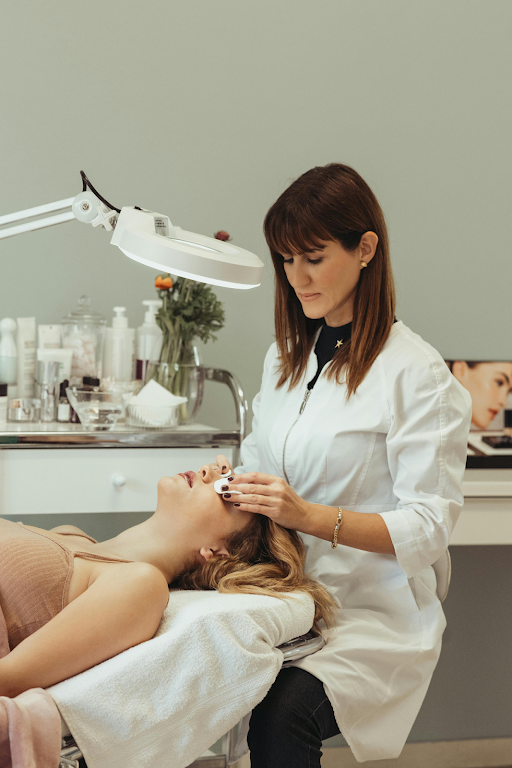
Most cosmetologists specialize in hair care, styling, coloring, and other fundamental beauty services.Estheticians, on the other hand, specialize in skincare, facial treatments, advanced skin treatments, acne therapy, anti-aging procedures, waxing, and skin analysis.
According to the U.S. Bureau of Labor Statistics, ‘the median hourly wage they got was $16.95 in May 2024. Where the median wage for a skincare specialist or esthetician is $19.98 in May 2024.”
In simple terms, cosmetology covers multiple beauty areas, while esthetics focuses deeply on skin health and facial treatment.
The following are some further details about this career, which make each stand out differently.
| Factors | Cosmetology | Esthetics |
| Area of focus | Focuses on learning methods for improving one’s appearance through hair styling, coloring, and cutting. | Focuses on learning methods for improving one’s appearance through facials, waxing, and chemical peels. |
| Future job opportunity | Hair stylists, barbers, skincare clinics, hair colorists, etc. | Advanced skincare specialist, medical esthetician, spa professional, etc. |
| Best For | Those who are passionate about hair styling and coloring. | Those who care about skincare and skin health. |
| Pros | Ability to build a diverse client base. | Opportunity to work in a wellness and luxury spa environment. |
| Cons | Long program duration. | Limited to skincare-related services. |
The Difference Between Cosmetology and Esthetician School
Both of these careers require technical and practical knowledge from a reputable institution. Both the course and schooling are different, and each has a different way of learning that you should know before joining one.
What is cosmetology school?
Focus Area and Curriculum
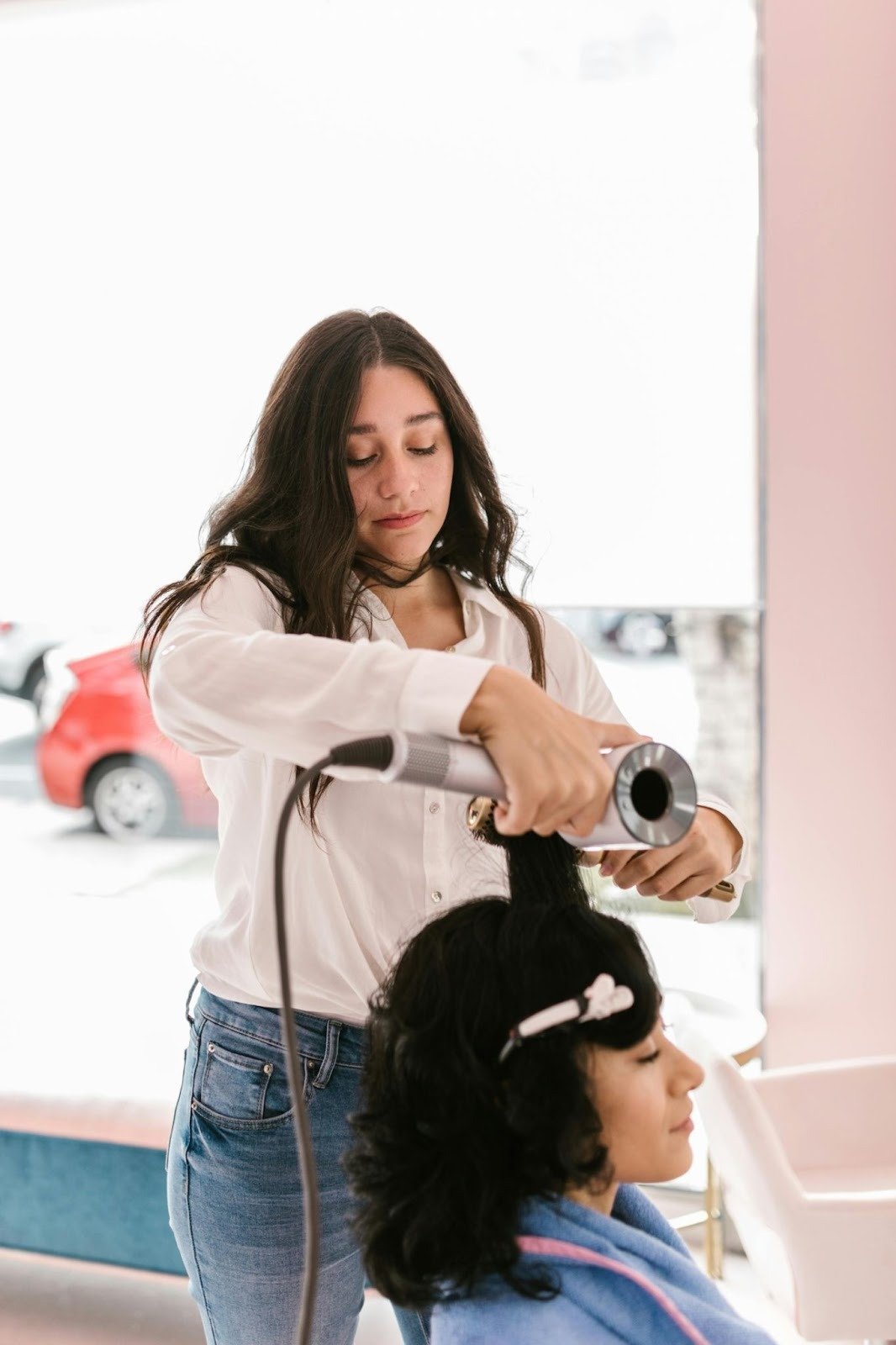
Cosmetology schools focus mainly on hair-related topics like haircutting, coloring, and styling.
In addition to this, it may also cover topics like manicures and pedicures, basic facial treatments, and makeup techniques. A student who is interested in learning methods to improve the look of hair or nail care might find this is the career path they can choose for the future.
Career Opportunities
With a license in cosmetology, you can pursue a career in the following streams:
- Hairstylist
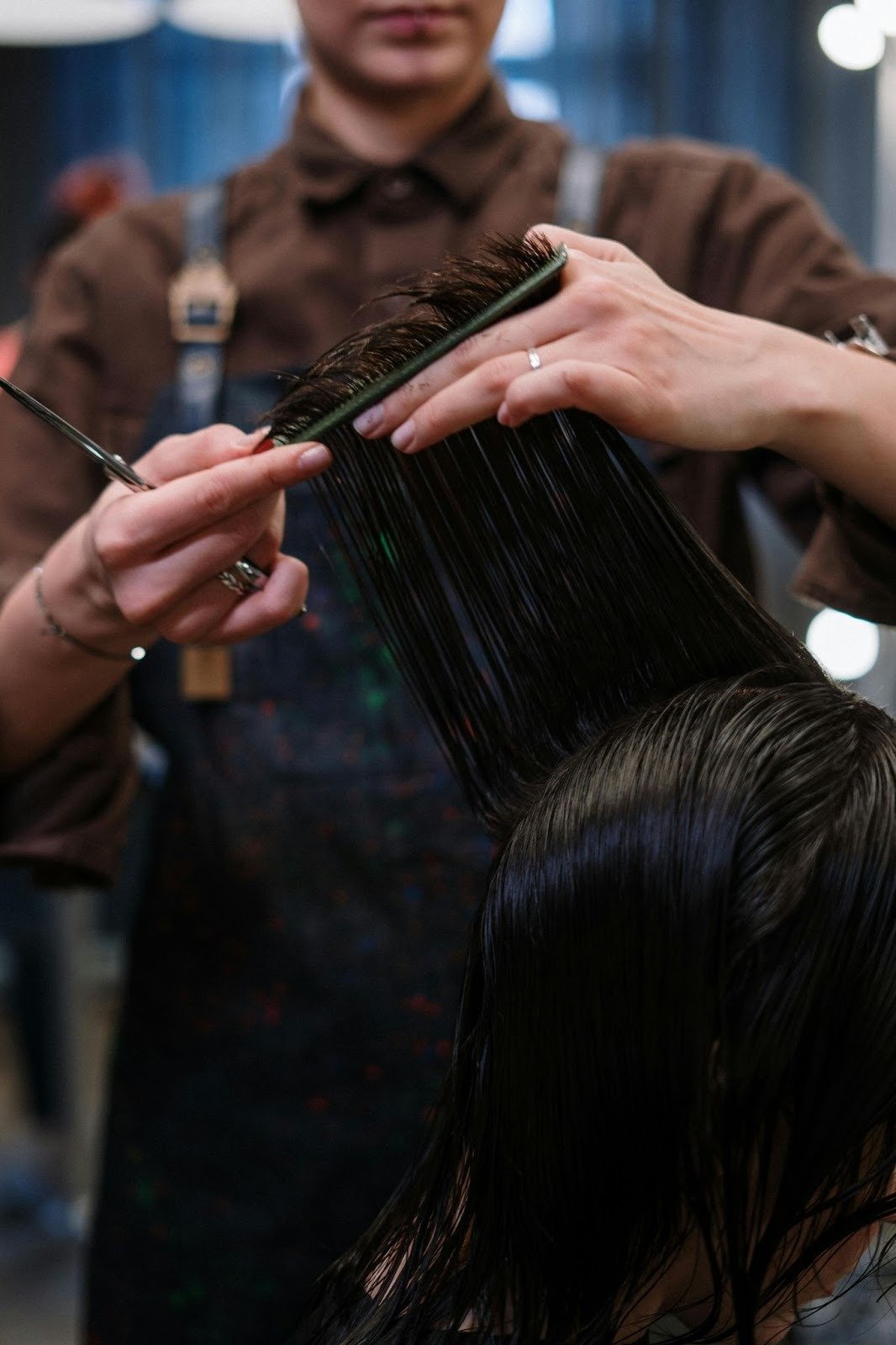
Cutting, coloring, and styling hair for both female and male clients and mostly working in salons, beauty parlors, or spas.
- Barber
Specializes in cutting, grooming, and styling men’s hair and facial hair.
- Nail Artist
This sector only works on things related to nails, which include manicures, pedicures, and nail art services.
- Makeup Artist
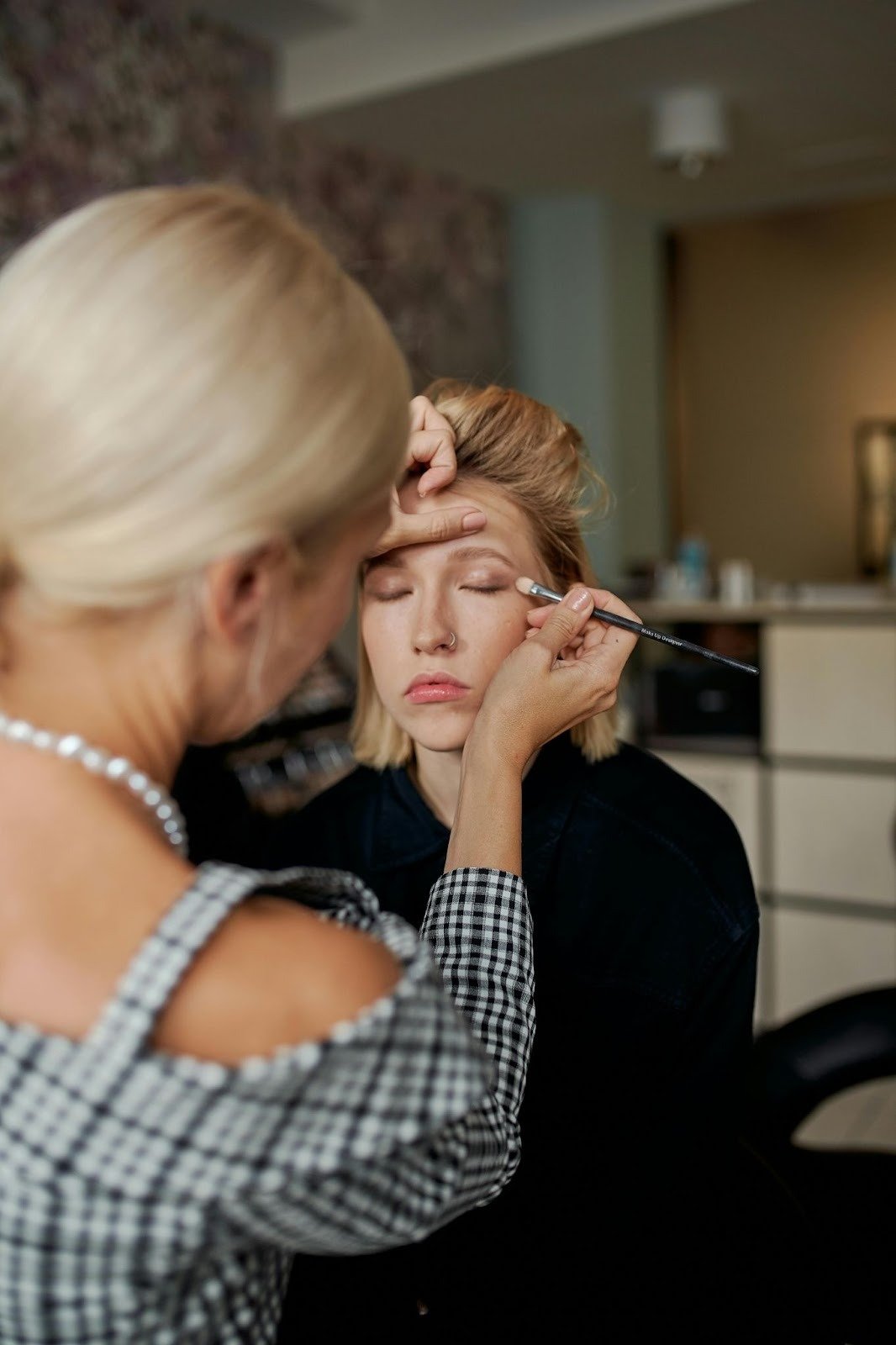
If you are artistically inclined and enjoy enhancing clients’ appearances, this career is the best, as it allows you to apply makeup for events, photoshoots, or theatrical productions.
- Beauty Consultant
You can become a professional consultant who can advise clients on the best hair products and services and even solve problems related to that.
- Film or TV Hairstylist or Makeup Artist
Professionals in this path often work on film or television sets, providing hair and makeup services for actors and performers.
What is an esthetician school?
Esthetician school teaches you about skincare and related things, whereas this schooling allows you to become a part of “an industry that is growing 7% from 2024 to 2034, much faster than the average for all occupations.”
Career Opportunities
With a license as an esthetician, you can be a part of the following industries or jobs:
- Esthetics Instructor
After getting an official license, you can even look for work to teach the same course at beauty schools.
- Skin Care Consultant
You can provide personalized skincare advice and product recommendations to those who are willing to take your help to improve their skin conditions. You can provide these services in retail or spa environments.
- Clinical Esthetician
Work along with dermatologists or plastic surgeons; clients need pre- and post-operative skincare and treatment, which you can provide them.
- Wax Specialist
Performing body waxing is a high-growth service that you can provide.
| Factors | Cosmetology School | Esthetician School |
| Licensing Hours | Higher required hours | Fewer required hours |
| Work Environment | Salons, freelance, beauty studio | Spas, dermatology clinics, wellness centers |
| Program Length | Longer (covers multiple beauty fields) | Shorter (focused training) |
| Pros | Strong foundation for opening a full-service salon | Shorter program duration compared to cosmetology |
| Cons | It covers many areas but has less specialization in one field | Fewer service options compared to cosmetology |
Why Rosel School of Cosmetology for Both Cosmetology and Esthetics?
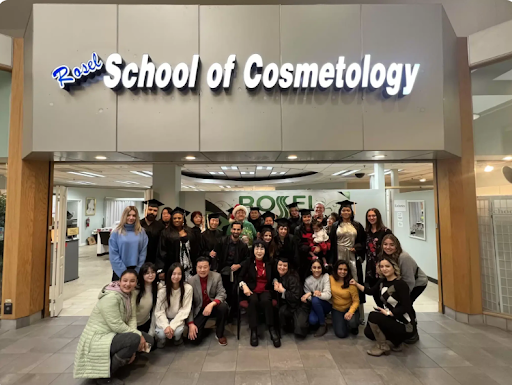
Rosel School of Cosmetology designs both cosmetology and esthetics programs according to state licensing requirements, ensuring students are fully prepared for professional certification.
- Hands-on Training With Real Tools
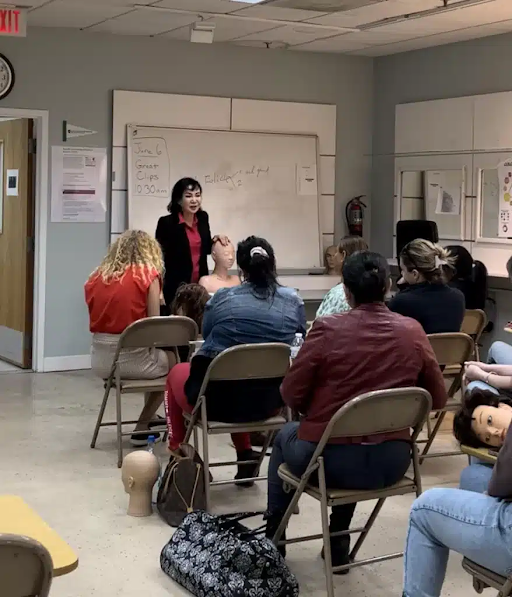
Students in our school get real-world experience through practical training in salon-style environments, hands-on skincare labs, and client practice, ensuring readiness for the workplace.
- Flexible Scheduling Options
We offer both full-time and part-time schedules, helping students balance education with work or personal commitments.
- Financial Support and Accessibility
We are accredited for federal financial aid and offer scholarships and job placement assistance, helping graduates launch successful careers immediately after training.
- Professional Development Training
We include business and client service training, teaching students not only technical skills but also how to build a professional brand and loyal clientele.
- Program Duration and Timing
Cosmetology Program: Approximately 1500 training hours.
Esthetics Program: Around 750 training hours.
FAQs
- What happens in esthetician school?
In school, students learn skincare theory, facials, waxing, sanitation, product knowledge, hands-on clinical practice, and preparation for state licensing exams.
- Is cosmetology better than esthetician school?
Neither is better; it depends on your career goals. Cosmetology is ideal for those who want broader beauty training, while esthetician school is best for students passionate about skincare and facial treatments.
- Which careers have higher earning potential?
Earning potential varies based on specialization, location, and experience. Estheticians in medical or luxury spa settings and cosmetologists with strong client bases can both achieve high income levels.
- Do both require a license?
Yes, both cosmetologists and estheticians must complete accredited training and pass a state licensing exam before practicing professionally.
- Can you switch careers later?
Yes, many professionals expand their skills by completing additional certifications or enrolling in another beauty program later in their careers.
Final Thought
Choosing between cosmetology and esthetics depends on your passion and career goals. Whether you prefer diverse beauty-related skills or specialized skincare treatments, the right education is essential.
With structured training, hands-on experience, and flexible scheduling, Rosel School helps students build skills, gain licensure, and confidently begin successful beauty careers.