Choosing a cosmetology school is a licensing decision and a financial commitment, not only a program choice. The school you choose affects whether your training hours count toward an Illinois license, which financial aid options are available, and how prepared you feel to work with your first client. It also helps you understand what skills you learn in cosmetology school.
This article covers eight criteria to compare, plus three official checks you can run yourself before you enroll at any Chicago-area school, including Rosel School of Cosmetology in Niles. Each section explains why the criterion matters, what to ask, and what a strong answer sounds like.
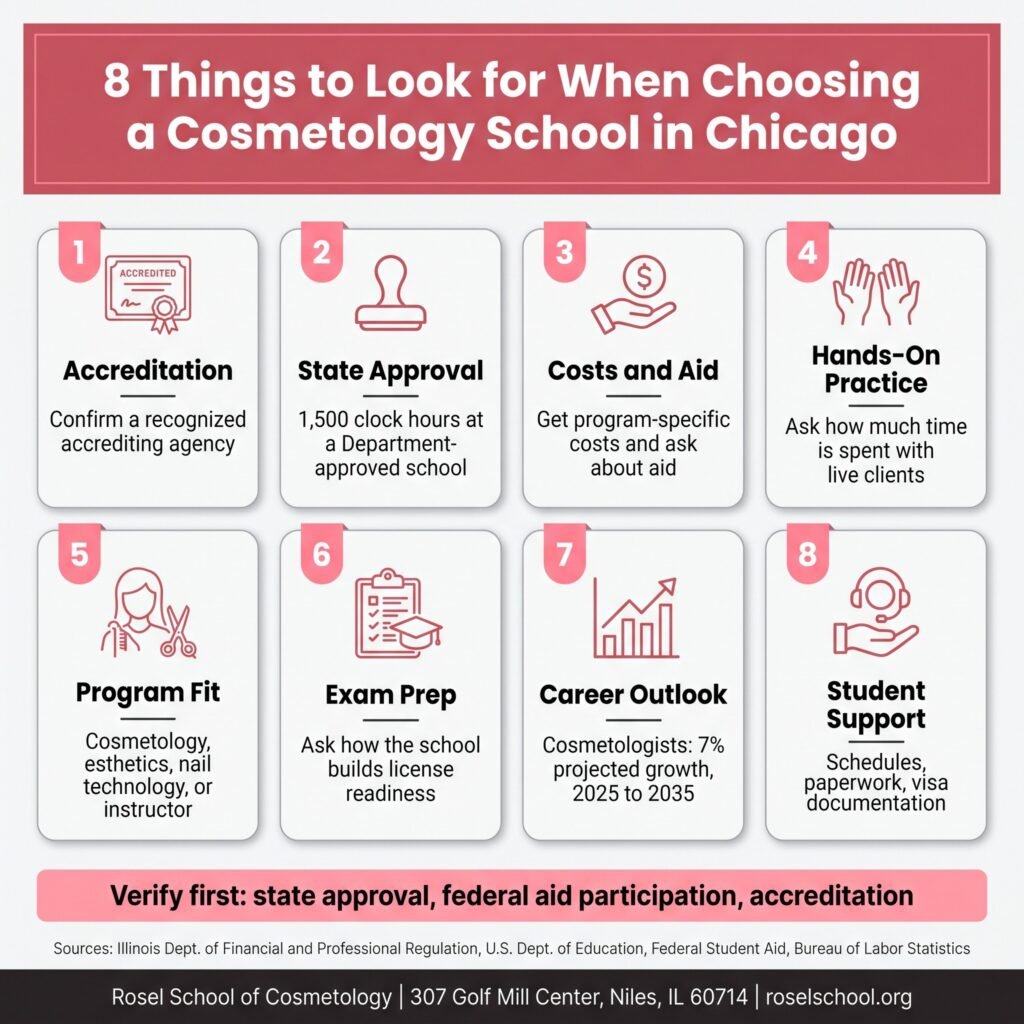
1. Accreditation From a Recognized Agency
Why Accreditation Comes First
Before exploring what skills you learn in cosmetology school, understand why accreditation matters. The U.S. Department of Education maintains a Database of Accredited Postsecondary Institutions and Programs that contains information reported to the Department directly, which gives you a federal starting point for checking a school.
Accreditation is a baseline, not a guarantee of quality, so treat it as your first filter rather than your final answer. A strong answer from a school is specific: it names its accrediting agency and tells you how to confirm its status.
Rosel School of Cosmetology has been accredited by NACCAS, the National Accrediting Commission of Career Arts and Sciences, since 1992.
2. State Approval and Licensing Hours
What Illinois Requires
What skills do you learn in cosmetology school that prepare you for an Illinois license? Your training hours must come from a school approved by the state.
The Illinois Department of Financial and Professional Regulation requires cosmetologist applicants to complete 1,500 clock hours of a cosmetology curriculum from a licensed cosmetology school that is approved by the Department.
Rosel School of Cosmetology is approved by the Illinois Department of Financial and Professional Regulation, the agency that licenses cosmetologists in the state.
How to Verify a School’s Credentials Yourself
Many guides list questions to ask an admissions office. Fewer show you how to confirm the answers independently. Run these three checks before you pay a deposit:
- State approval: Contact the Department at (888) 473-4858, the number printed on its Illinois Department of Financial and Professional Regulation statement, and ask it to confirm the school’s approval status. You can also start from the department’s cosmetology page.
- Federal aid participation: Federal Student Aid says you can use the Federal School Code Search to check whether a school participates in the federal student aid programs.
- Accreditation: Look up the school in the U.S. Department of Education accreditation database, then confirm the result with the accrediting agency.
A confirmed listing proves status only. It does not rate teaching quality, schedule fit, or how supported you will feel in the classroom, so pair these checks with a campus visit. If a school hesitates when you ask how to verify its status, that tells you how it handles transparency.
3. Financial Aid and Transparent Costs
Questions to Ask About Cost
What skills do you learn in cosmetology school, and what does that training cost you in total? Request a written breakdown of tuition, kit, and fees for the specific program you want. Then ask whether that exact program is eligible for federal aid, because eligibility can differ from one program to another and one answer should never be assumed to cover all.
Use the Federal School Code Search from check 2 to confirm participation, and use the school search on Federal Student Aid to compare information such as tuition amounts and graduation rates between schools. Finally, find out about monthly payment plans and scholarships, which can matter even when federal aid does not apply.
4. Hands-On Practice With Real Clients
What to Look for on the Clinic Floor
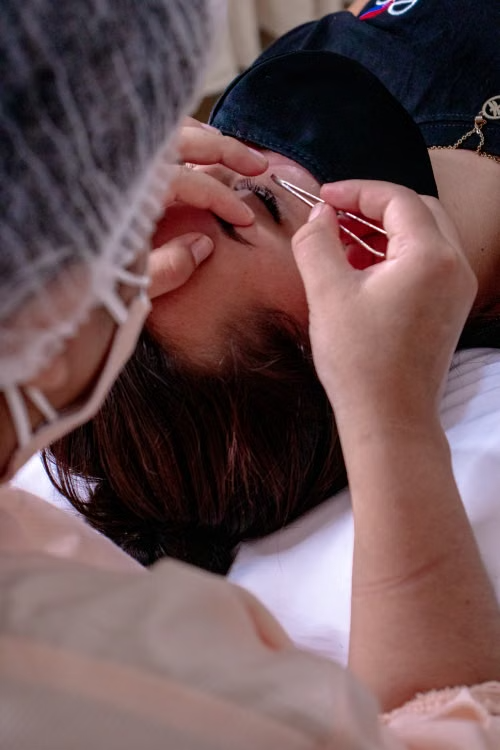
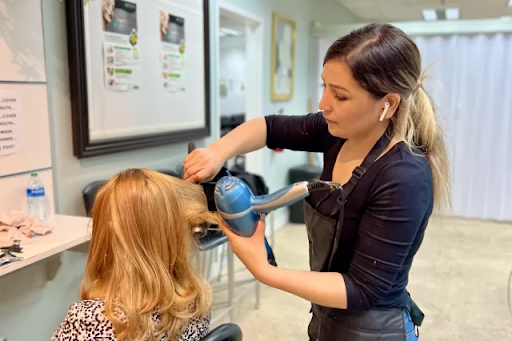
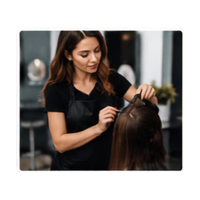
What skills do you learn in cosmetology school that you can only build with live clients? Passing an exam is one hurdle, and working confidently with a client in your chair is another. Find out how much of the schedule is clinic-floor practice versus classroom theory and whether students train on a range of hair types and skin types.
Rosel School of Cosmetology offers bookable client services at its on-site salon and spa, a professional setting that complements classroom instruction. When you tour any school, request to watch a working session and notice how students consult with clients, handle tools, and keep their stations clean.
5. Program Range and Career Fit
Matching a Program to Your Goal
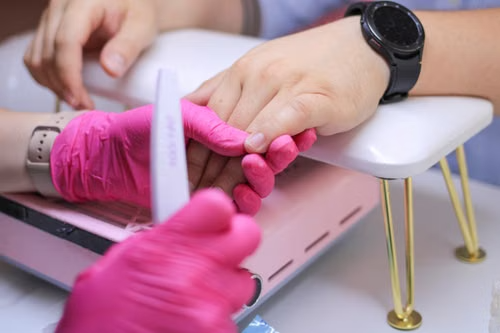
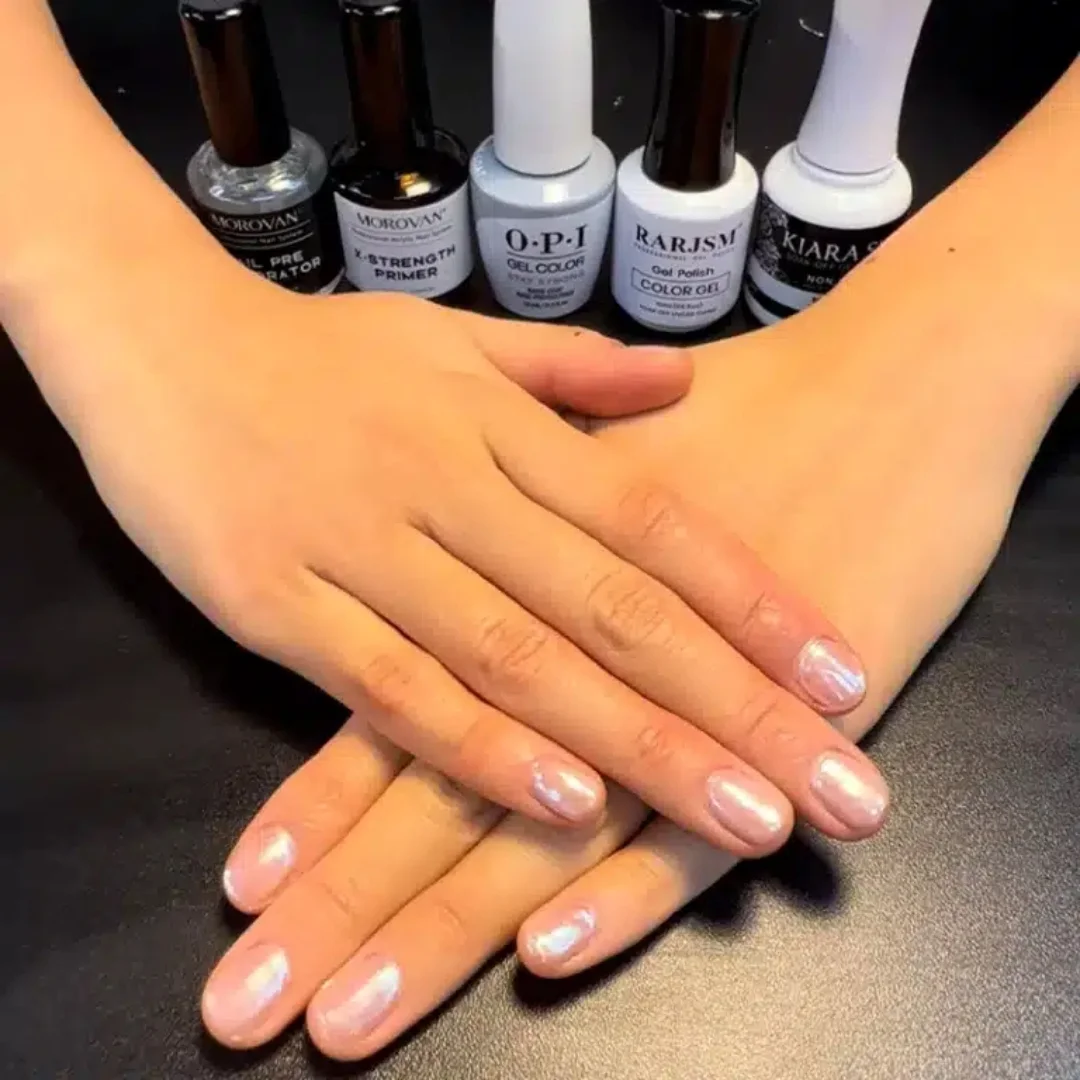
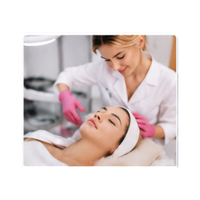
What skills do you learn in cosmetology school compared with esthetics or nail technology? Cosmetology, esthetics, nail technology, and instructor training lead to different careers, so match the program to your goal. Esthetics centers on skincare, facials, and spa treatments, and Rosel’s esthetics program runs 750 hours.
The Bureau of Labor Statistics projects 9 percent employment growth for skincare specialists from 2025 to 2035, with about 104,200 jobs in 2025. No path here is a lesser choice. The right one depends on whether you want to work with hair, skin, or nails, or to teach, so ask each school to explain how the hours, cost, and aid options differ by program.
6. License Exam Preparation
Building Exam Readiness and Paperwork Skills
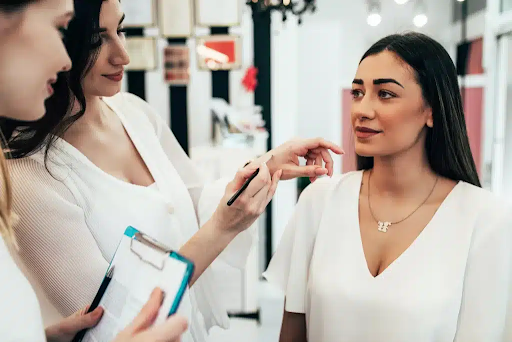
What skills do you learn in cosmetology school that prepare you for the licensing exam? Required hours alone do not make a graduate exam ready, so ask how the school builds readiness, what practice it provides, and what help it offers with the application once your hours are complete. Also ask about current paperwork.
An Illinois Department of Financial and Professional Regulation statement dated August 21, 2025 explains how the Department is applying the Melanoma Education Law. Confirm which applicants and effective dates apply on the Department’s website before you submit your application.
7. Career Outlook and Job Placement Support
Demand Versus Placement Help
What skills do you learn in cosmetology school, and how do they connect to job demand? The Bureau of Labor Statistics projects employment of barbers, hairstylists, and cosmetologists to grow 7 percent from 2025 to 2035, with about 80,300 openings each year.
However, demand does not guarantee a job, so look closely at what a school provides. Ask about employer connections, resume guidance, career coaching, and how long these services remain available after graduation.
8. Student Support and International Enrollment
Schedules, Paperwork, and Visa Documentation
What skills do you learn in cosmetology school, and what support helps you finish the program? Your training is long, so practical support matters as much as the curriculum.
Rosel School of Cosmetology is approved by the Department of Homeland Security to enroll non-immigrant students, which makes it a fit for international applicants who need visa documentation. International applicants should raise that documentation in the very first conversation with any school.
Whatever your situation, learn who guides you through enrollment paperwork, which schedule options exist if you balance work or family, and how attendance is tracked toward your required hours.
How Rosel School of Cosmetology Approaches Student Training
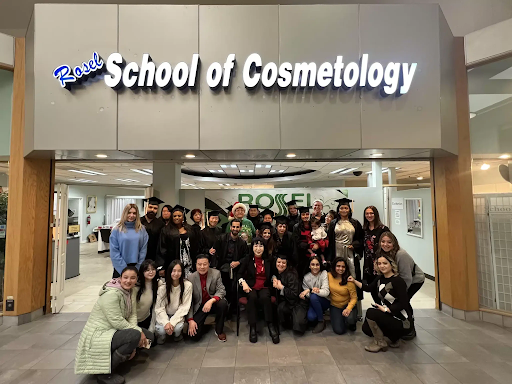
At Rosel School of Cosmetology, the answer to what skills do you learn in cosmetology school starts with training for careers in cosmetology, esthetics, nail technology, and cosmetology instruction.
The school is located at 307 Golf Mill Center in Niles, and its mission is to make beauty education affordable and accessible while creating beauty leaders through comprehensive training. Rosel’s graduation rate is over 95%, higher than Paul Mitchell School, according to client feedback shared in January 2025.
Use that kind of figure as a comparison tool by requesting the graduation rate from every school on your list, along with how it is calculated, so you compare like with like.
Frequently Asked Questions
Q1. How many training hours do I need for an Illinois cosmetology license?
The Illinois Department of Financial and Professional Regulation requires 1,500 clock hours of a cosmetology curriculum from a licensed cosmetology school that is approved by the Department.
Q2. How can I check that a cosmetology school is approved?
Call the Department at (888) 473-4858, the number printed on its statement, and ask it to confirm the school’s approval status. Then look up accreditation in the U.S. Department of Education database.
Q3. How do I find out if a school takes part in federal student aid?
Federal Student Aid says you can use the Federal School Code Search. Also ask the school whether your specific program is eligible, since eligibility can differ by program.
Q4. Is cosmetology a growing career field?
The Bureau of Labor Statistics projects 7 percent employment growth for barbers, hairstylists, and cosmetologists from 2025 to 2035, with about 80,300 openings each year. Demand does not guarantee a job, so ask each school what placement support it provides.
Q5. What should I ask about licensing paperwork?
Ask how the school helps with the application once your hours are complete. Also check the department’s website for details about the abnormal skin growth education requirement, including which applicants it applies to and the relevant effective dates.
Next Step: Visit and Verify Before You Commit
Ask the question directly: what skills do you learn in cosmetology school, and can I watch them taught? Start with the three official checks above, then see the training environment in person.
Contact Rosel School of Cosmetology to schedule a tour at 307 Golf Mill Center, Niles, IL 60714, and learn more about its training options and program costs. Visit Rosel School for more information.